
Furniture & Decor
Thuma Platform Bed Review: The Tool-Free Wooden Frame
The Thuma Platform Bed's reputation rests on one promise: a solid wooden frame that assembles in minutes, with no tools, and never squeaks. We put its joinery, slats, and finish under the lens to see whether the minimalist frame justifies its premium over flat-pack alternatives.
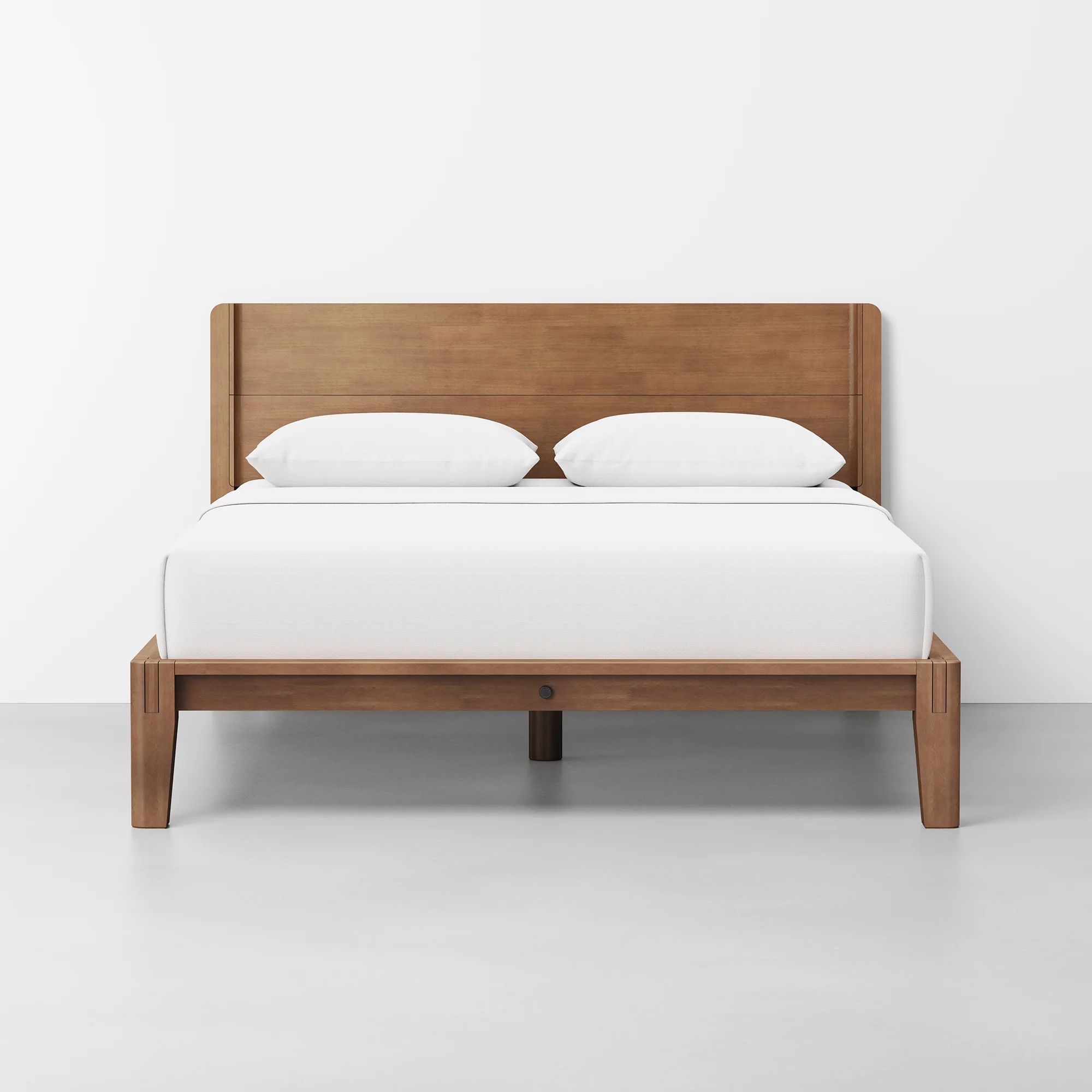
There are no bolts or cam locks here. The frame uses Japanese-inspired joinery — rails and legs interlock, then lock with two hand-tightened screws — to make a low, quiet platform in walnut or natural finishes, with cushioned, foam-wrapped slats that protect the mattress. A queen costs around $1,000.
Our Verdict
WHBUYS Score: 4.8 / 5
Beautifully made, genuinely tool-free to assemble, and rock-solid in nightly use. The premium buys craftsmanship and quiet that flat-pack frames rarely match, night after night.
Shop Thuma Platform Bed (from $1,000)1. Design and Build
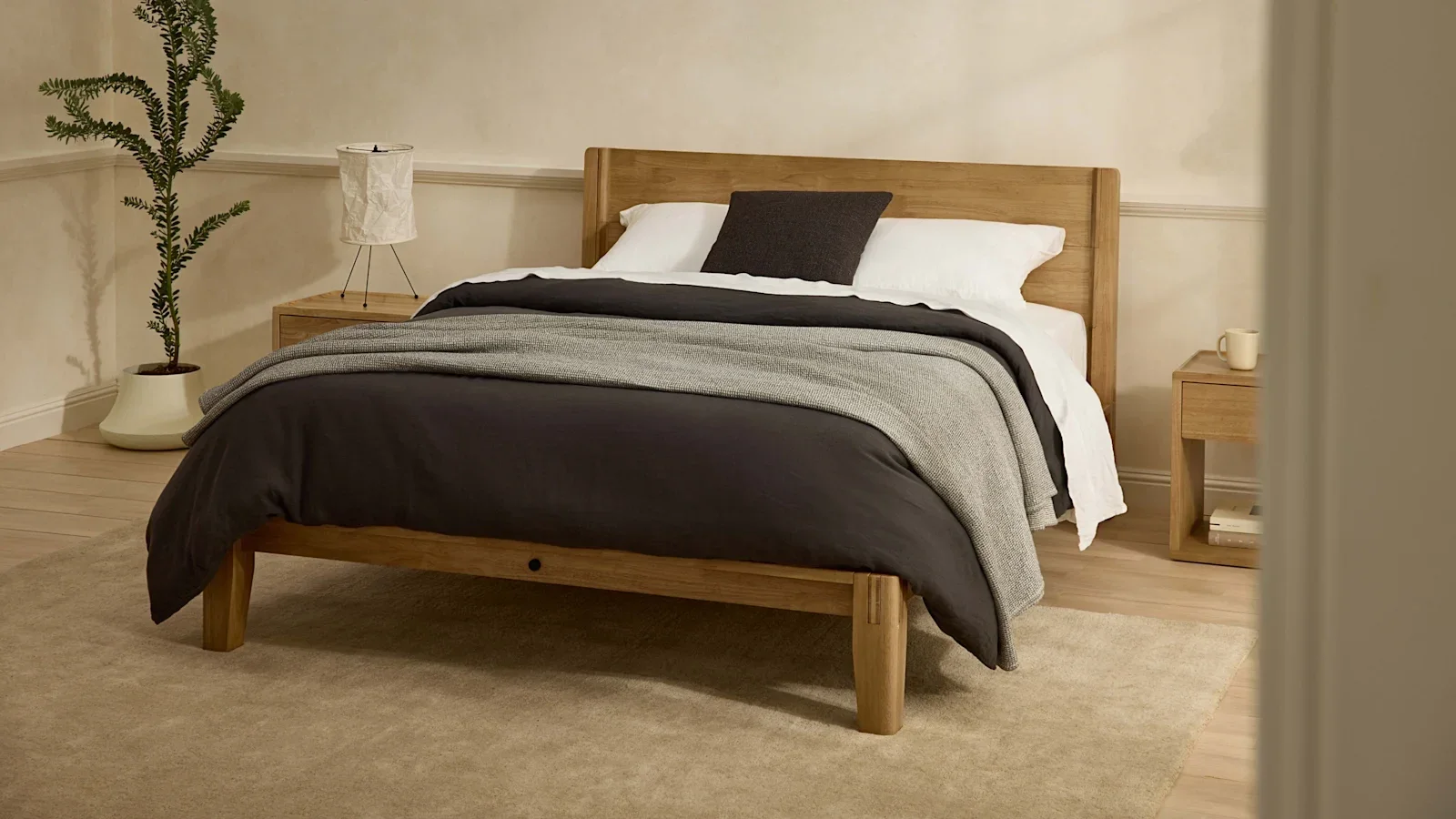
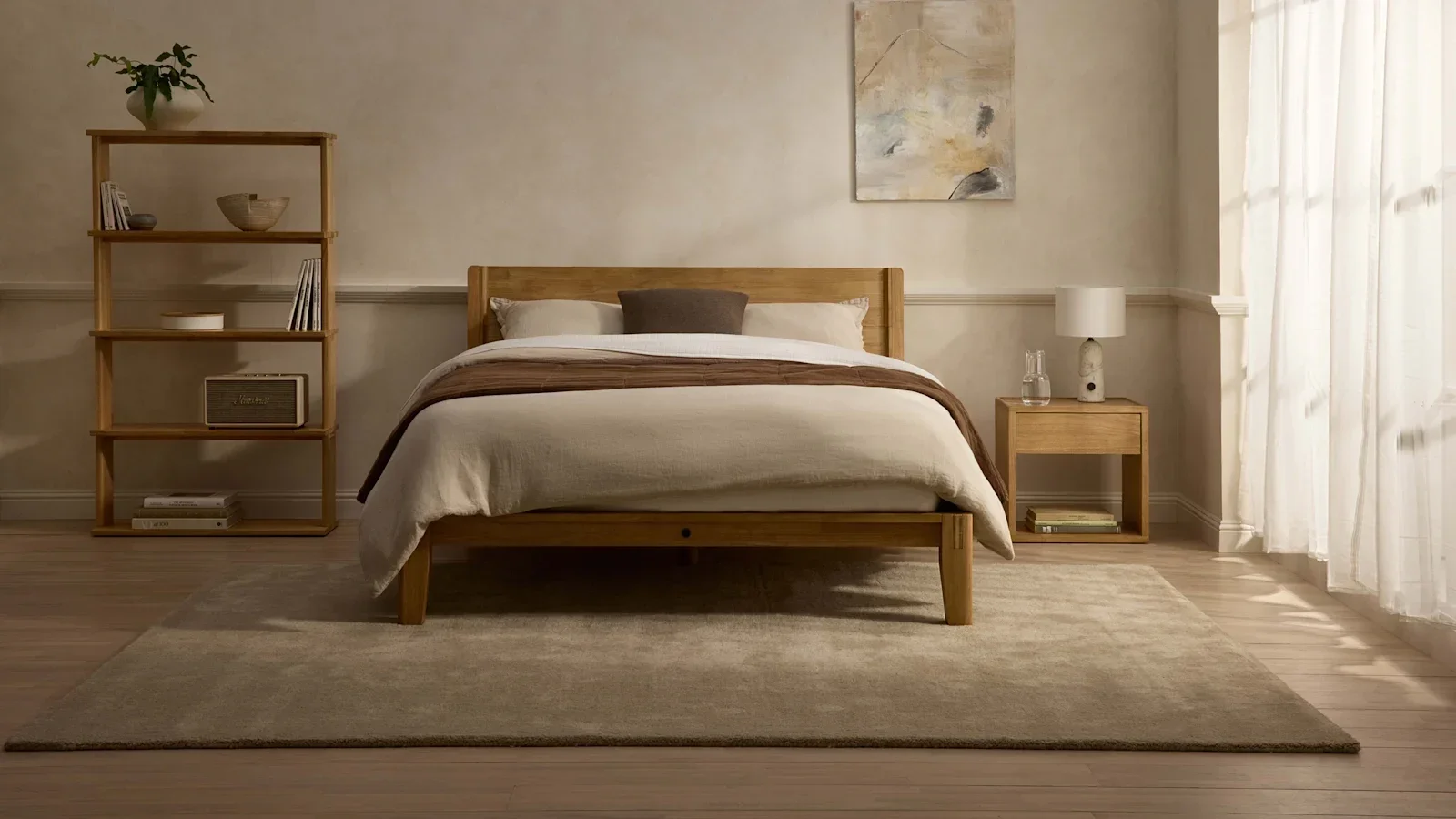
This is minimalism done properly: clean lines, a low profile, and visible wood grain give the frame a calm, furniture-grade presence that suits Scandinavian, Japanese-inspired, and modern bedrooms equally well. It is solid rubberwood with a smooth, evenly applied finish in walnut or natural tones, and the joinery is the real story — rails and legs cut to interlock precisely, so the assembled frame feels like one solid object rather than a kit. The legs sit recessed slightly from the corners, a thoughtful detail that saves toes on nighttime trips. The base configuration has no headboard, which keeps the silhouette light; Thuma sells one separately for those who want it.
2. Comfort and Performance
A bed frame's job is to be felt as little as possible, and the Thuma excels at disappearing. Its slats are wrapped in cushioning foam, which protects the underside of the mattress from abrasion and eliminates the slat noise that plagues cheaper frames. Because the joints lock together under tension, the frame stays silent — no creaks when you roll over, no wobble when you sit on the edge. Support is firm and even across the whole platform, suiting foam, latex, and hybrid mattresses, with no box spring needed. The low platform gives the bed a grounded, modern feel, though it does sit lower than traditional frames.
- Solid rubberwood frame in walnut or natural finish
- Japanese-inspired joinery with two hand-tightened screws
- Cushioned, foam-wrapped slats — no box spring needed
- Low platform profile with recessed, toe-friendly legs
- Headboard and under-bed storage available separately
3. Assembly and Ease of Use
Assembly is where the Thuma earns its reputation. The pieces arrive in compact boxes, and the frame goes together by slotting the interlocking joints and tightening two screws by hand — no tools, no Allen key, no confusing hardware bags. One person can realistically build it in minutes, and just as importantly, it comes apart the same way, making it a rare piece of solid-wood furniture that genuinely suits renters and frequent movers. The slats unroll and settle into place with their cushioning already fitted. Everyday care is minimal: dust the wood, wipe spills promptly, and that is essentially it. Few products at any price are this easy to live with from day one.
4. Value for Money
At around $1,000 for a queen, the Thuma costs several times more than a basic flat-pack frame, so the value case rests on longevity and experience rather than the spec sheet. The money buys real wood instead of particleboard, joinery that does not loosen over time, silent nights, and assembly that never becomes a weekend project — plus a lifetime warranty from the maker. Judged as a cost-per-year purchase, a frame you can move house with repeatedly and never replace starts to look reasonable. Judged purely as a place to put a mattress, cheaper frames do the basic job. The Thuma is for buyers who notice the difference and are happy to pay for it.
What we like
- Assembles in minutes with no tools at all
- Solid, silent frame with precise joinery
- Attractive real-wood finish in walnut or natural
What to consider
- Premium price compared with flat-pack frames
- Low profile may not suit everyone
- Headboard costs extra
Should You Buy the Thuma Platform Bed?
Buy the Thuma if you move often, dread furniture assembly, or are kept awake by a creaking frame. Renters, minimalists, and anyone furnishing a calm, uncluttered bedroom will get the most from it, and the tool-free design means it can follow you from apartment to apartment for years. Skip it if you prefer a tall, traditional bed you can sit high on, if you need built-in storage drawers, or if the budget has to go further — a simpler metal or flat-pack wood frame will hold a mattress for far less. Also consider an upholstered frame if you read in bed every night and want a soft backrest, since the Thuma's optional headboard is firm wood rather than padding.
Frequently Asked Questions
Does the Thuma Platform Bed need a box spring?
No. The cushioned slats support a mattress directly, and adding a box spring would raise the bed beyond its intended low profile. Foam, latex, and hybrid mattresses all sit comfortably on the platform.
How long does assembly really take?
Minutes rather than hours. The frame pieces interlock by hand and are secured with two hand-tightened screws, so one person can build it alone with no tools — and take it apart just as quickly when moving.
Is the Thuma frame noisy?
It is one of the quietest frames in its class. The tension-locked joinery and foam-wrapped slats are designed to prevent the creaks, clicks, and rattles that develop in bolted frames as their hardware loosens over time.
