Garden & Outdoor
Solo Stove Bonfire Review: Big Flames, Barely Any Smoke
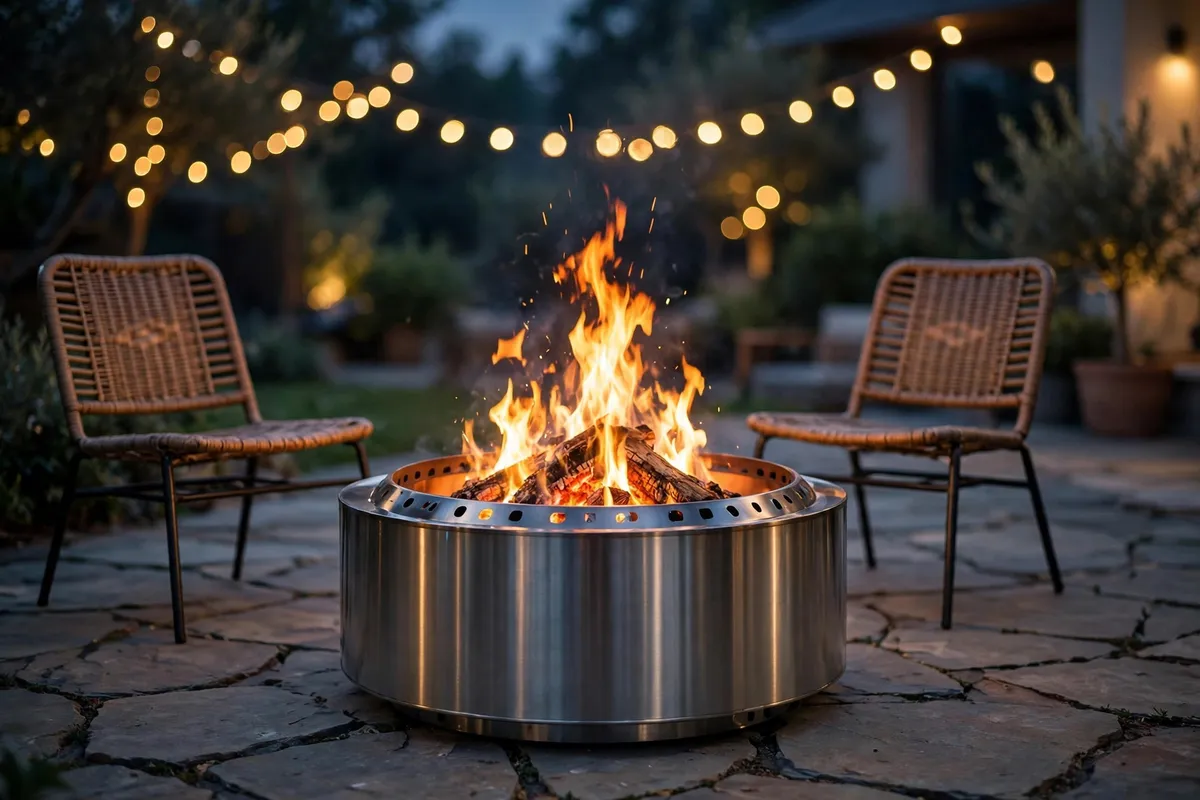
The Solo Stove Bonfire 2.0 promises the campfire without its worst feature: the smoke that follows you around the circle and soaks into your clothes. Its double-wall stainless design is engineered to burn wood so completely that smoke nearly disappears — the claim this review tests in practice.
At 19.5 inches across, the Bonfire is sized for backyards and patios — big enough for a group to gather around and proper logs, small enough to move and store. The 2.0 version adds a removable ash pan, fixing the original's most annoying chore. It is a premium-priced fire pit, so the burn itself has to justify it.
Our Verdict
WHBUYS Score: 4.6 / 5
The Bonfire delivers a genuinely low-smoke fire with real heat and a clean stainless look — the easiest backyard fire pit to live with, if you accept the price.
Shop Solo Stove Bonfire (from $300)1. Design and Build
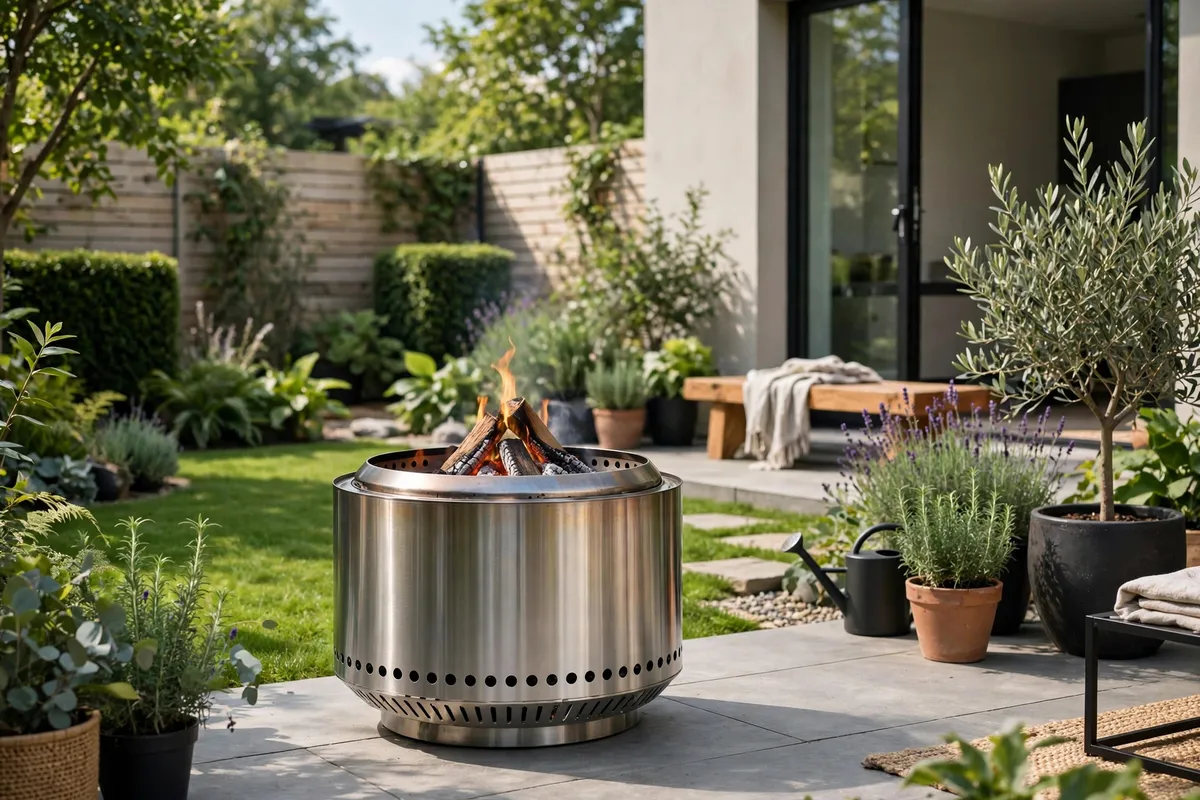
The Bonfire is a double-wall cylinder of 304 stainless steel with a clean, minimalist look — no logos shouted, no fussy parts. Air intake holes ring the bottom of the outer wall, with a second set of vents at the top of the burn chamber. At about 23.5 pounds it is an easy one-person carry with the included case, and the whole unit feels dense and well-welded. The 2.0 update adds a removable ash pan and base plate beneath the grate, so ash lifts out instead of being scooped or tipped. An optional stand is sold separately for heat-sensitive decks.
2. Performance
The 360° airflow design works like this: air enters the bottom vents, travels up between the walls, heats as it rises, and exits the top vents as jets of superheated oxygen that ignite the smoke rising off the fire — a secondary burn visible as flames dancing above the logs. Once the fire is established, smoke drops dramatically against an open pit, and you can sit on any side without playing musical chairs. Heat output is strong and mostly upward, warming faces and hands well, though like all fire pits it radiates less sideways than a chiminea. It burns standard firewood and consumes it efficiently, leaving fine ash.
- 19.5-inch diameter, 14 inches tall
- 304 stainless steel double-wall construction
- 360° Signature Airflow with secondary burn
- Removable ash pan (2.0 version)
- Weighs about 23.5 lb; carry case included
3. Ease of Use
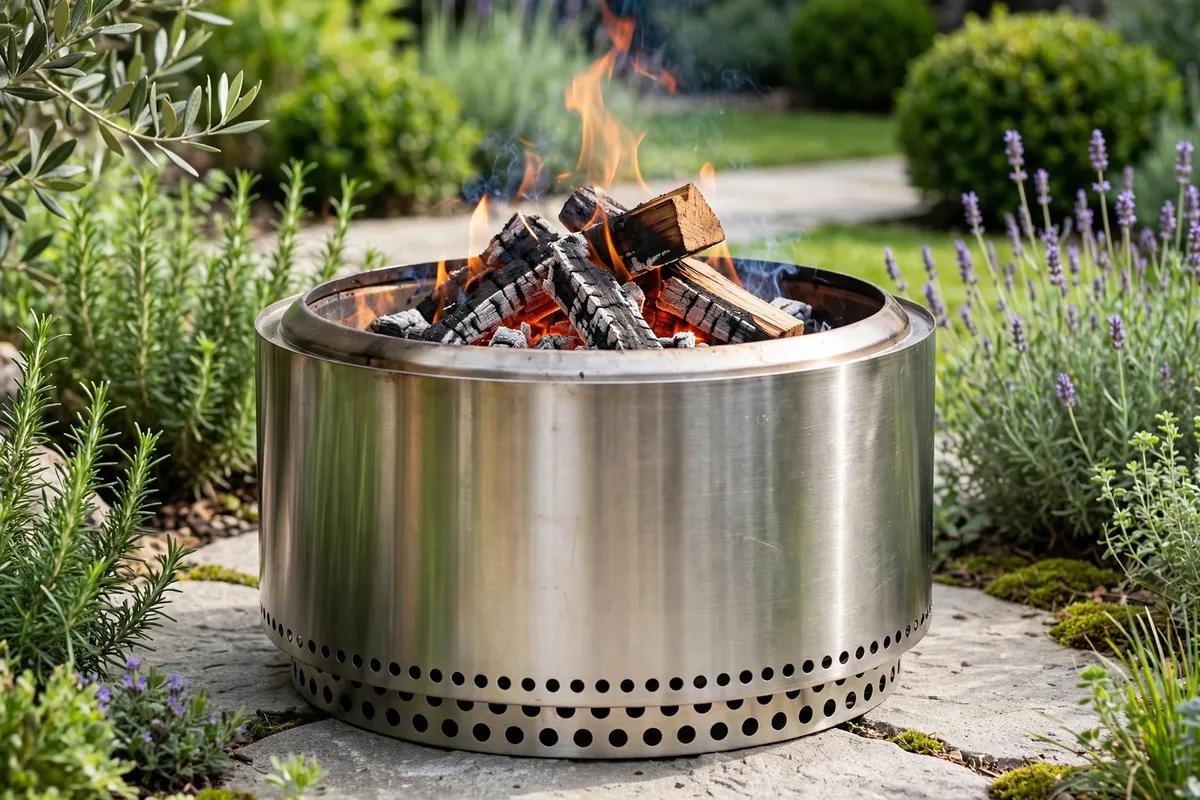
There is almost nothing to learn: stack kindling and logs inside, light it, and feed it as it burns. The airflow design means fires start readily and resist smoldering — the trick is keeping wood below the top rim, since logs poking above the inner vents smoke like any campfire. The Bonfire needs no assembly out of the box, cools within a few hours, and the ash pan makes next-day cleanup a two-minute job. It is not a cooking appliance by default, though Solo Stove sells a grill and griddle top. Storage is simple: it fits in its case in a garage corner.
4. Value for Money
The Bonfire lists at around $300 and is very often discounted to around $250 — still several times the price of a basic steel fire bowl from a big-box store. What the premium buys is the secondary-burn engineering, stainless construction that shrugs off seasons outdoors, and a fire people actually use more often because it does not smoke out the neighbors or the laundry. Cheap pits rust, smoke heavily, and get replaced; the Bonfire is a buy-once product with a lifetime warranty behind it. Frequent sales soften the sticker further, and we would wait for one rather than pay full list.
What we like
- Secondary burn cuts smoke dramatically once the fire is hot
- Stainless build, no assembly, and a removable ash pan
- Portable enough for car camping and tailgates
What to consider
- Premium price versus basic fire pits
- Heat rises more than it radiates sideways
- Stand and cooking accessories cost extra
Should You Buy the Solo Stove Bonfire?
Buy it if you love fires but hate smoke — in small backyards, on patios near neighbors, or anywhere a smoky pit would sit unused. It is also the right pick for campers who want one pit that works at home and at the trailhead. Skip it if you mostly want radiant heat on cold nights: a chiminea or an outdoor heater throws warmth sideways more effectively. Very large groups may prefer Solo Stove's bigger Yukon, while tiny spaces suit the tabletop Mesa. And if you burn only a few times a year, a cheap pit is rational. For regular fires with minimal fuss, the Bonfire earns its price.
Frequently Asked Questions
Is the Bonfire really smokeless?
Not literally zero smoke: expect some at startup and when you add fresh wood. Once the fire is burning hot, though, the secondary burn consumes most of the smoke — and keeping logs below the top air vents keeps it that way.
Can I use the Bonfire on a wooden deck?
Only with Solo Stove's stand accessory, which lifts the pit and lets air flow beneath it to protect heat-sensitive surfaces. Without the stand, use it on stone, concrete, gravel, or bare ground, and always check local rules.
What kind of wood works best?
Dry, seasoned hardwood such as oak or hickory burns hottest and cleanest, which keeps smoke lowest. Wet or green wood smokes heavily in any fire pit — this one included.