
Baby & Kids
The 3 Best Convertible Car Seats of 2026
One seat from the first ride home to booster years — these three convertibles install tight, fit real back seats, and keep kids rear-facing longer.
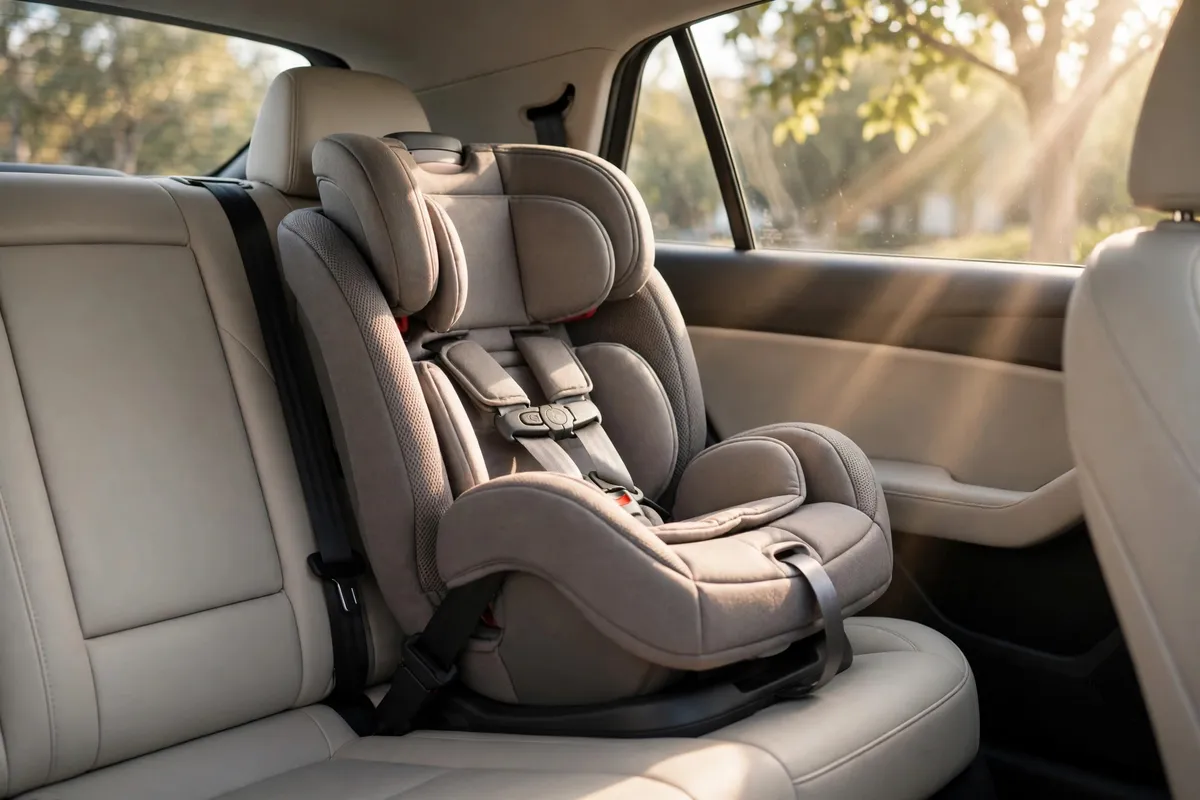
A convertible takes over once your baby outgrows the infant carrier — and the best ones keep going for a decade, from the first ride home to booster-seat years. Because it lives in your car every day, fit matters as much as features: a seat that installs rock-solid in your specific vehicle beats a fancier one that shifts a centimetre at the belt path. We focused on secure installation, slim footprints, and long rear-facing limits to pick these three.
Our Top Picks
- Graco 4Ever DLX — Best Overall
- Chicco OneFit ClearTex — Best for Small Cars
- Britax Poplar — Easiest Install
At a Glance
| # | Product | Score | Price | Best for |
|---|---|---|---|---|
| 1 | Graco 4Ever DLX | 4.7 / 5 | $300 | — |
| 2 | Chicco OneFit ClearTex | 4.6 / 5 | $270 | — |
| 3 | Britax Poplar | 4.6 / 5 | $270 | — |
1. Graco 4Ever DLX
Best Overall
WHBUYS Score: 4.7 / 5
The 4Ever DLX is the closest thing to a one-and-done car seat. It starts rear-facing for newborns from 4 pounds, converts to a forward-facing harness seat, then becomes a high-back booster and finally a backless booster rated to 120 pounds — up to ten years of use from one purchase. The 10-position headrest carries the harness with it, so height adjustments take seconds with no rethreading, and the six-position recline with its bubble level indicator lets you set the angle correctly instead of guessing. The integrated belt lock-off keeps seat-belt installs tight. It is big and heavy to move, but at around $300, few seats deliver this much lifespan per dollar.
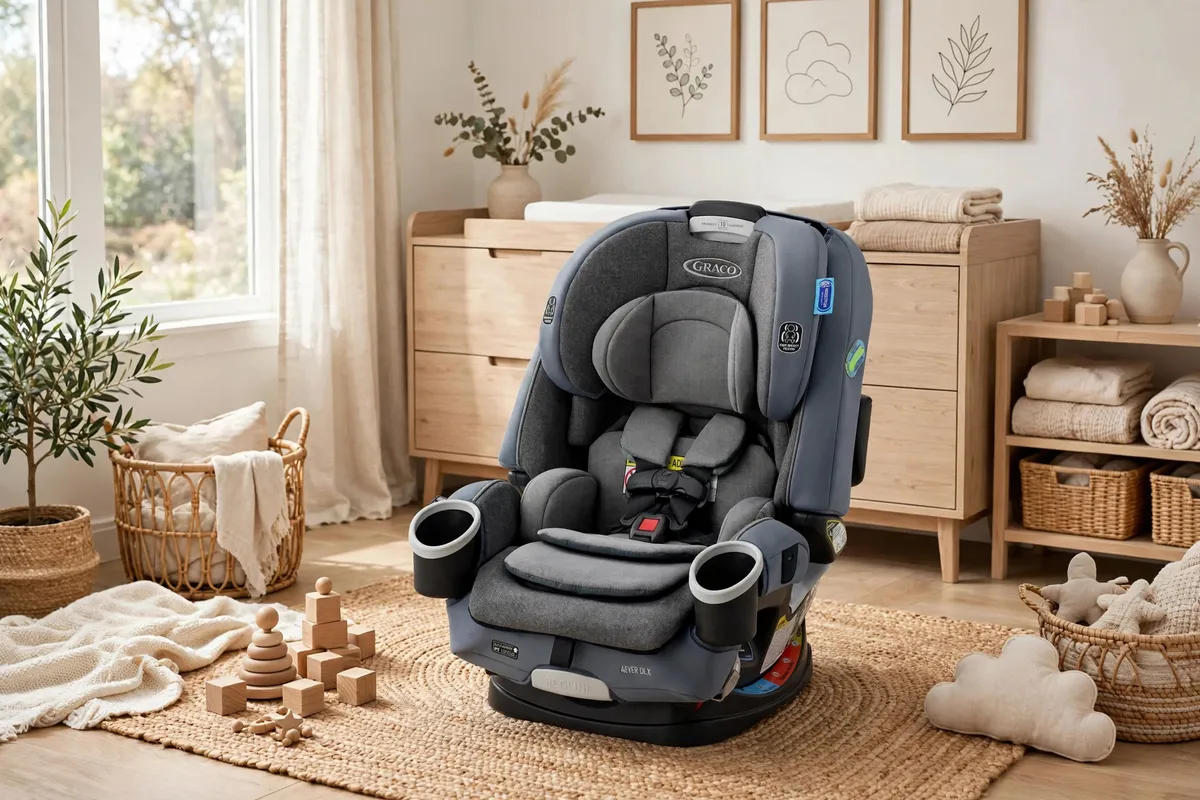
- 4 modes: rear-facing, forward-facing, high-back booster, backless booster
- Covers children from 4 to 120 lb
- 10-position headrest with harness that adjusts with it
What we like
- One seat from first ride home to booster years
- Level indicator takes the guesswork out of installs
What to consider
- Big and heavy — not one to move between cars often
- Takes up significant back-seat space rear-facing
2. Chicco OneFit ClearTex
Best for Small Cars
WHBUYS Score: 4.6 / 5
Back seats keep getting smaller, and the OneFit ClearTex is designed for that reality. Its slim profile leaves room for a second seat or an adult passenger alongside it, yet it still covers rear-facing, forward-facing, and booster modes for children from 5 to 100 pounds. The ClearTex fabrics meet federal flammability standards without added fire-retardant chemicals — a detail many parents specifically look for. Two layers of protection in the headrest, a 10-position no-rethread harness, and dual bubble indicators round out a thoughtful design, and the cup holders come off to save space. At around $270, it is the small-car specialist that never feels stripped down.
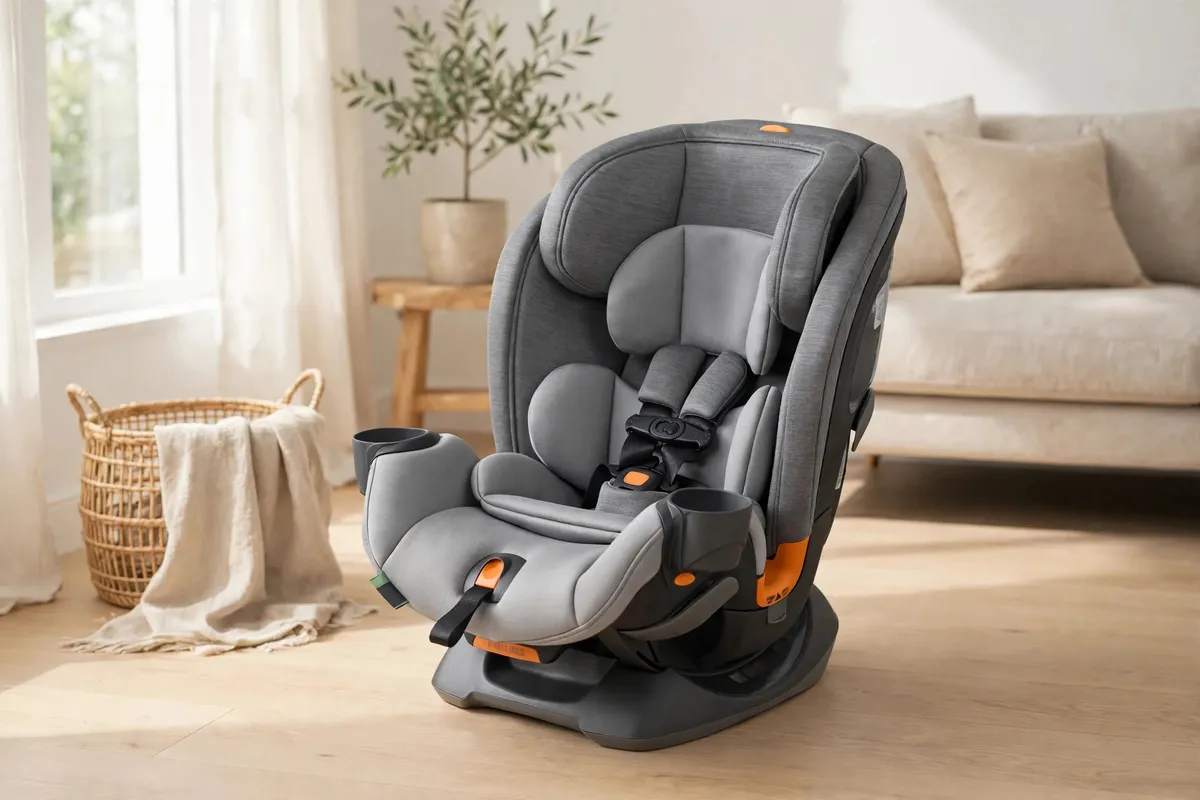
- Slim profile designed to fit smaller back seats
- ClearTex fabrics with no added fire-retardant chemicals
- All-in-one: rear-facing, forward-facing, and booster modes
What we like
- Leaves room for passengers or a second seat
- Fabrics made without added FR chemicals
What to consider
- Booster mode tops out at 100 lb, lower than some
- Headrest can feel snug for tall toddlers
3. Britax Poplar
Easiest Install
WHBUYS Score: 4.6 / 5
Installation anxiety is the Poplar's target. Its ClickTight system is genuinely simple: open the panel, route the seat belt through, buckle, and click the panel shut — the mechanism tensions the belt for you, producing a rock-solid install in minutes with no wrestling at the belt path. The frame is just 17 inches wide, slim enough that three-across setups become possible in many vehicles, and the seat rear-faces up to 50 pounds, keeping kids in the safest position longer. A high-strength steel frame and crumple-zone technology add peace of mind. It has no rotation feature and sits at a premium price, but at around $270, no seat makes a correct install easier.
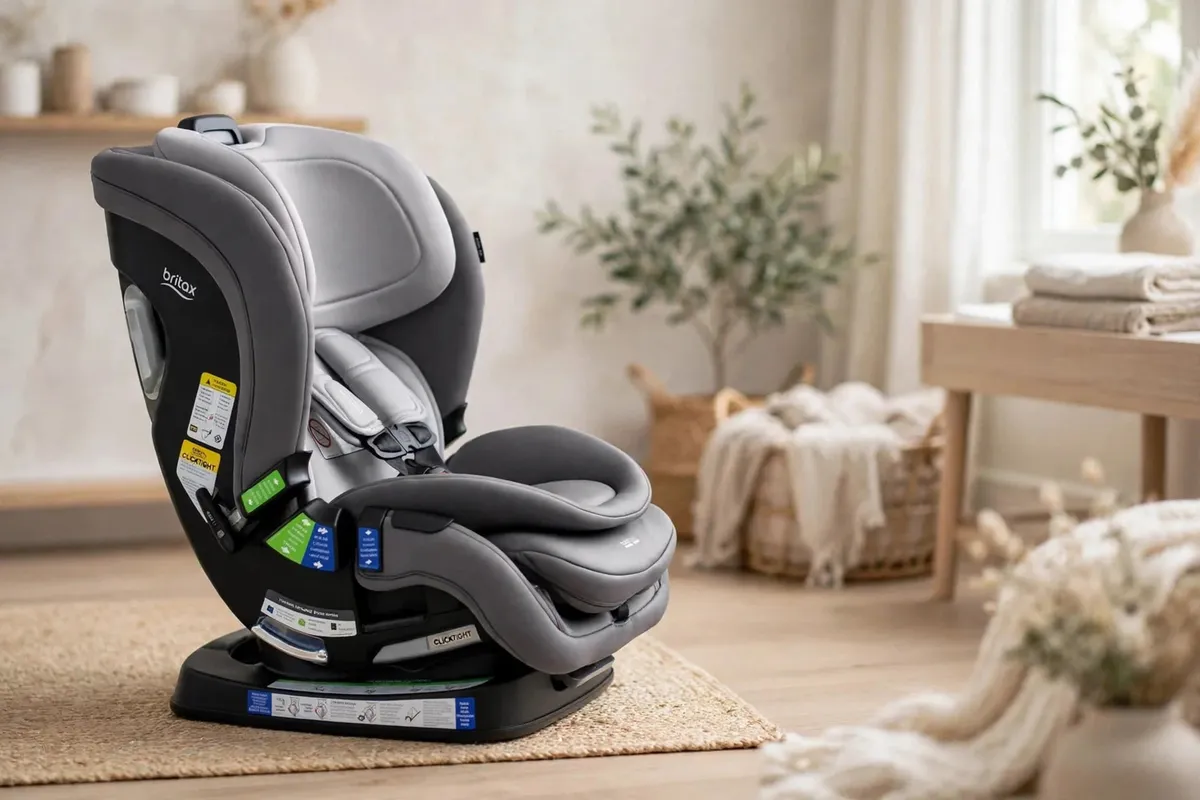
- ClickTight panel tensions the seat belt for a secure install
- Slim 17 in frame helps fit three across
- Rear-facing from 5 to 50 lb
What we like
- Confident, tight install in minutes
- Narrow enough for three-across setups
What to consider
- Premium price for a non-rotating seat
- Heavier than basic convertibles
How to Choose a Convertible Car Seat
The safest seat is the one that installs tightly in your vehicle and fits your child, so start with fit. Measure your car's back-seat width if you need room for other passengers, and remember a rear-facing seat needs front-to-back space too — check how far the front seats must come forward. LATCH anchors have weight limits; beyond them you install with the seat belt, so a built-in lock-off or install aid becomes valuable. Whatever you choose, keep your child rear-facing until they reach the seat's height or weight limit for that mode.
Check the ownership details: an expiration date (typically seven to ten years from manufacture), a harness that adjusts without rethreading, and covers you can remove and wash after the inevitable spills. Buy new rather than used — a seat's crash history is impossible to verify — and register it so recall notices reach you. If a seat moves between cars weekly, weight matters; if it installs once and stays put, prioritize the tightest fit.
Frequently Asked Questions
How long should my child stay rear-facing?
As long as possible — until they reach the seat's rear-facing height or weight limit. That is well past the second birthday for most children in modern convertible seats, and rear-facing is the safest way for a young child to ride, because the seat shell absorbs crash forces instead of the neck.
Can a convertible seat work for a newborn?
Yes, as long as your baby meets the minimum weight — often 4 or 5 pounds — and the harness straps sit at or below the shoulders with a snug fit. Many families still prefer an infant carrier for its portability during the first months.
Do car seats expire?
Yes. Most convertible seats expire seven to ten years after manufacture, and the date is printed on a label on the seat itself. Plastics and webbing degrade over time and safety standards move on, so retire the seat when it expires.
